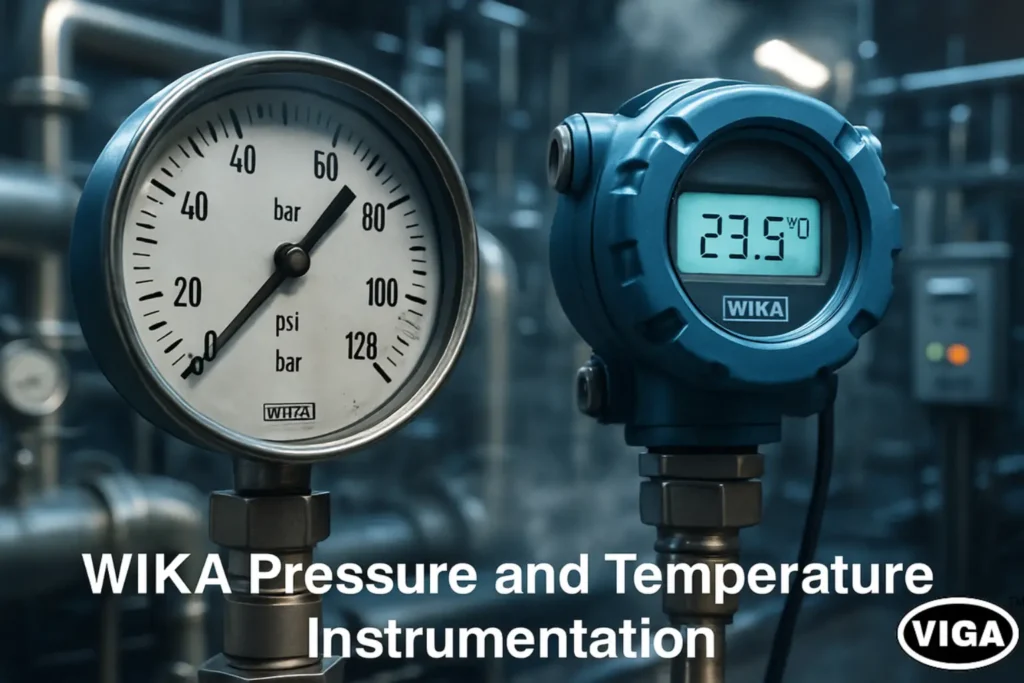
What Is a Diaphragm Pressure Gauge and Where Is It Used?
What Is a Diaphragm Pressure Gauge and Where Is It Used? In any industrial setting that matters—from sprawling manufacturing plants to tightly regulated oil refineries—precision isn’t just a nice-to-have. It’s a core requirement for keeping operations safe, efficient, and compliant. A simple pressure gauge is one of the most common instruments on the front line, providing the critical data that fuels key decisions. But what happens when that data is wrong? An uncalibrated gauge isn’t just slightly off; it’s a potential catalyst for equipment failure, poor product quality, and serious safety hazards. Knowing how to properly calibrate a pressure gauge is, therefore, a fundamental skill for any technician, engineer, or quality professional worth their salt. This guide cuts through the noise to give you a detailed, professional walkthrough of the entire process. We’ll get into why it’s so important, how to know when it’s time to calibrate, and the exact steps to ensure your measurements are rock-solid. Why Accurate Pressure Gauge Calibration Is So Critical Before jumping into the “how,” it’s crucial to firmly grasp the “why.” Calibrating a pressure gauge is much more than a routine check-up. It’s a foundational process that verifies the instrument’s accuracy, directly supporting an organization’s operational integrity. The process is simple in concept: compare the readings from your gauge (the Device Under Test, or DUT) against a measurement standard that has a known, superior accuracy. Keeping People and Equipment Safe Let’s be clear: inaccurate pressure readings are a major safety liability. Picture a pressurized vessel in a chemical plant. If its gauge wrongly indicates a safe pressure level while it’s actually creeping into the danger zone, the result could be a catastrophic rupture. Official reports often point to equipment malfunction—including instrumentation failure—as a key cause of workplace incidents. Diligent calibration is one of the most effective lines of defense against these preventable events. Driving Efficiency and Product Quality So many industrial processes hinge on exact pressure levels to work correctly. Pharmaceuticals: In sterile manufacturing, maintaining specific positive or negative pressures in cleanrooms and bioreactors is non-negotiable. It’s what ensures product purity. Food and Beverage: Think about carbonation, pasteurization, or homogenization. Each relies on precise pressures to deliver a consistent, high-quality product every single time. Manufacturing: Hydraulic presses and pneumatic automation need accurate pressure to stamp, form, and assemble parts with tight, repeatable tolerances. A single out-of-spec gauge can cause subtle process deviations that lead to entire batches being scrapped, reducing yield and burning through money and materials. Meeting Tough Regulatory and Quality Standards Most serious industries are governed by strict regulations and quality management systems like ISO 9001. These frameworks require that key measuring tools get calibrated at defined intervals. Crucially, that calibration must be done against standards that are traceable to national or international benchmarks (like those from NIST in the United States). Ignoring your calibration schedule isn’t an option. It can lead to failed audits, costly non-compliance penalties, and even the loss of certifications that are essential to stay in business. How Often Do Gauges Need Calibration? Nailing Down the Frequency There’s no single, universal answer to how often a pressure gauge needs calibrating. The best approach is a risk-based one, weighing several key factors. Start with the Manufacturer: The manufacturer’s recommendation is your baseline. They know their instrument’s design and will suggest a starting interval. Look at the Application: The stakes of the application matter. A gauge on an aerospace life-support system will have a much more aggressive calibration cycle than one monitoring a general-purpose air compressor in a workshop. Consider the Environment: This is a big one. A gauge exposed to heavy vibration, temperature swings, corrosive chemicals, or sharp pressure spikes will drift out of tolerance far quicker than one sitting in a stable, clean control room. Harsher conditions demand more frequent calibration. Calibrate After Any “Event”: It’s mandatory to recalibrate if the gauge gets dropped, slammed with pressure beyond its maximum rating (over-pressured), or has undergone any repairs. Think of it this way: if a gauge consistently passes its annual check-up with flying colors, you might extend its next appointment to 18 months. But if it’s always on the edge or failing, you need to shorten that interval, fast. Analyzing the calibration history (“As Found” data) is the only way to truly optimize your schedule. The Right Tools for the Job: Your Pressure Calibration Checklist Performing a proper calibration means having the right equipment. Skimping on your tools simply invalidates the whole process. It’s that simple. Here’s what you need to have on your bench. Device Under Test (DUT): This is simply the pressure gauge you’re about to test. Reference Standard (Master Gauge): This is your source of truth and the most important tool in the setup. It absolutely must be more accurate than the DUT. The widely accepted guideline is a Test Accuracy Ratio (TAR) of at least 4:1. This means if you’re calibrating a gauge with a ±1% accuracy, your reference standard needs an accuracy of ±0.25% or better. Critically, this standard must have its own valid, current calibration certificate traceable to a body like NIST. Pressure Source: You need a clean, stable way to generate and fine-tune pressure. Pneumatic Hand Pump: Great for lower pressures, typically up to 600 PSI, using air. Hydraulic Hand Pump/Comparator: The go-to for high-pressure work, using water or calibration oil. Deadweight Tester (DWT): The gold standard. A DWT is a primary standard that creates incredibly precise pressure using finely machined piston-cylinder assemblies and calibrated masses. These are often used to calibrate the master gauges themselves. Fittings and Tubing: A good set of leak-proof fittings (e.g., NPT, BSP) and high-pressure tubing. Leaks are the enemy of stable pressure. Environmental Tools: A basic calibrated thermometer and hygrometer. You need to know the ambient temperature and humidity, as they can affect instrument performance, and you must record them on the certificate. How to Calibrate a Pressure Gauge: The Step-by-Step Method With the groundwork laid, we can get into the practical, hands-on process. Follow